- Plot No. 361/3074 & Plot No 437/3134, Patrapada, BBSR
- +91 9040017001
- +91 8630400500
Essential Health Tests for People With High Blood Pressure
High blood pressure does not always cause noticeable symptoms, even when it begins affecting important organs. A person may feel healthy while changes are gradually developing in the heart, kidneys, blood vessels, or eyes. This is why monitoring blood pressure alone may not provide a complete picture of overall health.
Regular health assessments and appropriate diagnostic tests help doctors understand how hypertension is affecting the body. They can also identify associated conditions such as diabetes, high cholesterol, and kidney problems, which may increase cardiovascular risk.
For people living with hypertension, understanding which Health Tests for High Blood Pressure may be recommended and what they reveal can make regular health monitoring easier and help support informed healthcare decisions.
Why Are Regular Health Tests Important for People With High Blood Pressure?
Blood pressure is the force exerted by circulating blood against the walls of the arteries. When this pressure remains consistently elevated, it places additional strain on the heart and blood vessels.
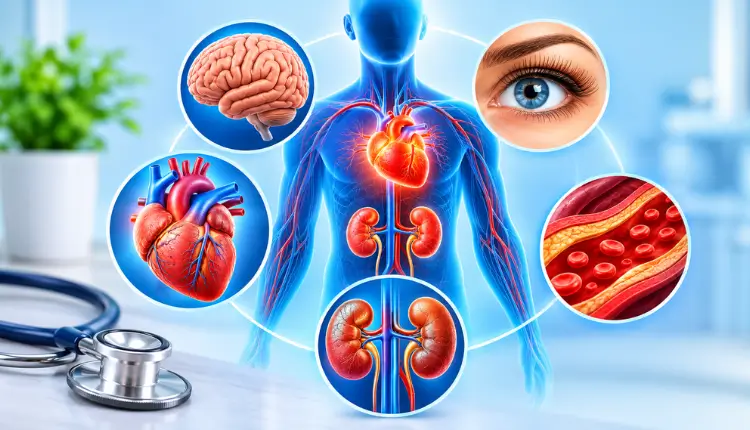
Over time, uncontrolled hypertension can contribute to several health complications:
- Heart: Increased pressure can make the heart work harder and contribute to thickening of the heart muscle, coronary artery disease, and heart failure.
- Kidneys: High blood pressure can damage the small blood vessels that filter waste from the blood, affecting kidney function.
- Brain: Hypertension increases the risk of stroke and other cardiovascular complications.
- Eyes: Damage to the small blood vessels in the retina can lead to hypertensive retinopathy.
- Blood vessels: Persistent high pressure can damage arterial walls and increase the risk of cardiovascular disease.
The importance of regular monitoring is also reflected in India’s hypertension burden. According to the World Health Organization (WHO), an estimated 220 million people in India live with hypertension, but only around 12% have their blood pressure under control.
Understanding the hidden dangers of high blood pressure can help explain why monitoring should go beyond occasional blood pressure readings.
Essential Health Tests for High Blood Pressure: 8 Important Investigations
Choosing the right Health Tests for High Blood Pressure helps doctors assess different aspects of a patient’s health. These investigations can provide information about kidney function, cholesterol levels, blood sugar, electrolyte balance, and heart activity. The selection of tests depends on individual risk factors, medical history, and blood pressure control.
1. Kidney Function Test (KFT)
Why is it important?
The kidneys help regulate blood pressure by controlling fluid balance and the amount of sodium in the body. However, prolonged high blood pressure can damage the small blood vessels inside the kidneys, reducing their ability to filter waste effectively.
A Kidney Function Test helps doctors evaluate whether the kidneys are working properly and identify possible signs of kidney impairment.
What does it check?
Common kidney function measurements include:
- Serum Creatinine: Measures the level of creatinine, a waste product filtered by the kidneys. Higher-than-expected levels may indicate reduced kidney filtration.
- Estimated Glomerular Filtration Rate (eGFR): Estimates how effectively the kidneys filter waste from the blood.
- Blood Urea: Measures urea, another waste product removed by the kidneys. It is interpreted alongside other kidney function markers.
What can the results indicate?
Abnormal kidney function results may suggest reduced filtration or possible kidney disease. Doctors interpret these results alongside urine findings, medical history, and previous test reports to determine whether further evaluation is needed.
2. Lipid Profile Test
Why is it important?
High blood pressure and unhealthy cholesterol levels can increase cardiovascular risk. When both conditions occur together, the risk of developing heart disease and related complications may be higher.
A Lipid Profile Test measures different types of fats in the blood and helps doctors assess cardiovascular risk.
What does it check?
- Total Cholesterol: Measures the overall amount of cholesterol in the blood.
- LDL Cholesterol: Often called bad cholesterol because elevated levels can contribute to plaque buildup in the arteries.
- HDL Cholesterol: Known as good cholesterol because it helps transport cholesterol away from the arteries.
- Triglycerides: A type of fat in the blood. Elevated levels may contribute to cardiovascular risk.
What can the results indicate?
The results help doctors understand whether cholesterol levels are within desirable ranges or whether additional cardiovascular risk management may be needed.
A lipid profile is particularly useful when assessing people with hypertension who also have diabetes, obesity, a family history of heart disease, or other cardiovascular risk factors.
3. Blood Sugar Test
Why is it important?
High blood pressure and diabetes frequently occur together. Both conditions can damage blood vessels and increase the risk of heart disease, stroke, and kidney problems.
Blood sugar testing helps identify diabetes or prediabetes, including cases where a person has not yet developed noticeable symptoms.
What does it check?
Two commonly recommended tests are:
- Fasting Blood Glucose: Measures blood sugar after a period of fasting, usually at least eight hours.
- HbA1c Test: Measures the percentage of haemoglobin attached to glucose and provides an estimate of average blood sugar levels over approximately two to three months.
What can the results indicate?
The results help doctors identify normal blood glucose levels, prediabetes, or diabetes according to established diagnostic criteria.
Identifying elevated blood sugar is important because managing both hypertension and diabetes can help reduce the risk of long-term cardiovascular and kidney complications.
4. Electrolyte Test
Why is it important?
Electrolytes are minerals that help regulate fluid balance, nerve signals, muscle activity, and heart function. Sodium and potassium are particularly important in blood pressure regulation.
Some medicines used to manage hypertension can also affect electrolyte levels. For example, certain diuretics may lower potassium, while some other blood pressure medications may increase it.
What does it check?
An electrolyte assessment may include:
- Sodium: Helps regulate fluid balance and influences blood pressure.
- Potassium: Supports normal muscle and heart function and plays a role in blood pressure regulation.
- Calcium: Supports muscle contraction, nerve signalling, and other essential body functions.
What can the results indicate?
Abnormal electrolyte levels may indicate fluid or mineral imbalances, certain underlying conditions, or possible effects of medication.
Doctors may recommend repeat testing after starting or changing certain blood pressure medicines to monitor kidney function and electrolyte levels.
5. Urine Test and Urine Albumin-to-Creatinine Ratio (UACR)
Why is it important?
The kidneys normally prevent significant amounts of protein from passing into the urine. When the kidney’s filtering structures become damaged, small amounts of albumin may leak into the urine.
Because hypertension can damage these filtering structures, urine testing is useful for identifying possible early signs of kidney damage.
What does it check?
Two important investigations include:
- Urinalysis: Examines urine for protein, blood, glucose, and other abnormalities.
- Urine Albumin-to-Creatinine Ratio (UACR): Measures albumin relative to creatinine in a urine sample to identify increased albumin leakage.
What can the results indicate?
An increased UACR may indicate kidney damage, even when blood creatinine levels and eGFR are still within expected ranges.
Doctors may repeat abnormal results because temporary conditions, such as infection, fever, or strenuous exercise, can sometimes affect urine albumin levels.
6. Electrocardiogram (ECG)
Why is it important?
The heart works continuously to pump blood throughout the body. When blood pressure remains high, the heart must work harder to overcome the increased resistance in the arteries.
Over time, this additional workload may contribute to changes in the heart muscle and electrical activity.
An Electrocardiogram (ECG) helps doctors assess the electrical activity of the heart and look for certain abnormalities.
What does it check?
An ECG records the heart’s electrical signals through electrodes placed on the chest, arms, and legs.
It can help identify:
- Abnormal heart rhythms.
- Certain signs of an enlarged or thickened heart muscle.
- Electrical changes that may suggest previous or current heart-related problems.
What can the results indicate?
An ECG can provide information about heart rhythm and possible changes associated with long-standing hypertension.
However, a normal ECG does not rule out all heart conditions. Depending on the symptoms and findings, a doctor may recommend additional investigations such as an echocardiogram.
7. Complete Blood Count (CBC)
Why is it important?
A Complete Blood Count (CBC) is a commonly performed blood test that provides information about different types of blood cells.
Although CBC does not directly diagnose hypertension or measure blood pressure-related organ damage, it can help doctors assess general health and identify certain associated conditions.
What does it check?
- Red Blood Cells (RBCs): Carry oxygen throughout the body.
- White Blood Cells (WBCs): Help the immune system fight infections.
- Haemoglobin: A protein in red blood cells that carries oxygen.
- Platelets: Help blood clot and prevent excessive bleeding.
What can the results indicate?
CBC results may help identify anaemia, abnormal blood cell counts, or other conditions that require further medical assessment.
It is often included in the initial evaluation of hypertension as part of a broader assessment of the patient’s health.
8. Eye Examination
Why is it important?
The eyes contain small blood vessels that can be affected by prolonged high blood pressure. Damage to these vessels may lead to a condition called hypertensive retinopathy.
An eye examination can help identify changes in the retina that may be associated with uncontrolled hypertension.
What does it check?
An eye specialist may perform a retinal or fundus examination to assess:
- Narrowing of retinal blood vessels.
- Changes in the appearance of retinal arteries.
- Retinal haemorrhages.
- Swelling of the optic disc in severe cases.
What can the results indicate?
Certain retinal changes may suggest damage associated with long-standing or severe hypertension. These findings can help doctors assess the need for further medical evaluation and blood pressure management.

Which Tests Help Monitor Heart and Kidney Health?
People with high blood pressure may need different investigations to assess how the condition affects specific organs.
The following table provides a quick overview:
Health Area | Recommended Tests | What They Help Assess |
Kidney health | KFT, eGFR, UACR, Urinalysis | Kidney filtration and possible kidney damage |
Heart health | ECG, Lipid Profile | Heart rhythm, possible cardiac changes, and cardiovascular risk |
Blood sugar | Fasting Glucose, HbA1c | Diabetes and prediabetes |
Electrolyte balance | Sodium, Potassium, Calcium | Mineral balance and possible medication-related changes |
General health | CBC | Blood cell levels and certain associated conditions |
Eye health | Retinal Examination | Possible retinal changes associated with hypertension |
These tests provide different types of information. No single test can assess every complication of high blood pressure, so doctors consider the results together with blood pressure readings, symptoms, and medical history.
How Often Should People With High Blood Pressure Get These Tests?
The frequency of health testing depends on individual medical needs. A person whose blood pressure is well controlled may require a different monitoring schedule from someone with uncontrolled hypertension, diabetes, or existing kidney disease.
Doctors may recommend the following approach:
- At initial diagnosis: Baseline blood and urine tests, along with an ECG, may be recommended to assess cardiovascular risk and identify possible organ damage.
- During regular follow-ups: Blood pressure readings and relevant test results are reviewed to evaluate overall health and treatment response.
- After medication changes: Kidney function and electrolyte levels may need reassessment, particularly after starting or adjusting certain medicines.
- When other conditions are present: People with diabetes, kidney disease, or high cholesterol may require additional or more frequent monitoring.
The 2025 American Heart Association (AHA) and American College of Cardiology (ACC) hypertension guideline recommends routine baseline laboratory investigations and ECG for adults diagnosed with hypertension. It also discusses periodic reassessment of relevant laboratory markers, with basic laboratory testing generally repeated at least annually under its recommendations.
Your doctor will determine which tests are necessary and how often they should be repeated based on your health status.
What Happens If High Blood Pressure Is Not Properly Monitored?
Ignoring high blood pressure or delaying recommended health assessments can make it harder to identify developing complications.
Some possible consequences include:
- Kidney damage: Persistent high blood pressure can reduce kidney function and contribute to chronic kidney disease.
- Heart disease: Increased pressure can strain the heart and contribute to heart failure and coronary artery disease.
- Stroke: Damage to blood vessels increases the risk of blocked or ruptured blood vessels in the brain.
- Vision problems: Changes in retinal blood vessels may affect eyesight.
- Vascular damage: Long-term hypertension can contribute to stiffening and damage of the arteries.
The important point is that many of these changes may develop without obvious early symptoms. Regular blood pressure monitoring and appropriate medical investigations help doctors identify concerns before they progress.
When Should You Consult a Doctor?
People with high blood pressure should follow their prescribed treatment and attend recommended medical appointments, even when they feel well.
Consult a doctor if you experience:
- Blood pressure readings that remain above your recommended target.
- Frequent headaches or dizziness.
- Unusual shortness of breath.
- Chest discomfort.
- Persistent blurred vision.
- Unexplained swelling in the legs or feet.
- Changes in urination.
When is it an emergency?
If blood pressure is above 180/120 mmHg, wait at least one minute and measure it again. If it remains that high, contact a healthcare professional immediately. If it is accompanied by chest pain, shortness of breath, weakness, numbness, difficulty speaking, or changes in vision, seek emergency medical care immediately.
Do not wait for routine blood tests or a scheduled appointment when serious symptoms occur.
Frequently Asked Questions About Health Tests for High Blood Pressure
Which tests should people with high blood pressure get regularly?
Doctors may recommend kidney function tests, lipid profiles, blood glucose or HbA1c, electrolyte testing, urine albumin testing, urinalysis, and ECG. CBC and other investigations may also be included in the initial evaluation. The exact requirements depend on individual health conditions and medical history.
Can high blood pressure affect kidney function?
Yes. Prolonged high blood pressure can damage the small blood vessels in the kidneys and reduce their ability to filter waste. Kidney function tests, eGFR, and urine albumin testing can help identify possible kidney problems.
Why is a lipid profile important for hypertension patients?
A lipid profile measures cholesterol and triglyceride levels. High blood pressure combined with unhealthy cholesterol levels can increase the risk of heart disease and other cardiovascular complications.
Do people with high blood pressure need an ECG?
An ECG is generally recommended as part of the initial evaluation of adults diagnosed with hypertension. It records the heart's electrical activity and can help identify abnormal rhythms and certain signs of heart muscle changes.
Can a blood test detect complications of high blood pressure?
Blood tests cannot detect every complication, but they can help identify possible kidney impairment, abnormal cholesterol levels, diabetes, and electrolyte imbalances. Additional investigations may be required to assess the heart, eyes, and other organs.
How often should hypertension patients get health checkups?
The frequency depends on blood pressure control, medications, age, and other medical conditions. Doctors may recommend regular follow-ups and periodic laboratory testing to monitor kidney function, electrolytes, and cardiovascular risk.
Can high blood pressure damage the eyes?
Yes. Prolonged or severe hypertension can damage the small blood vessels in the retina, leading to hypertensive retinopathy. A retinal examination can help identify these changes.
Support Your Health With Regular Diagnostic Testing at Prolife Diagnostics
Managing hypertension involves more than checking blood pressure readings. Regular Health Tests for High Blood Pressure can help doctors assess kidney function, cardiovascular risk, blood sugar levels, and other important health indicators.
At Prolife Diagnostics, Bhubaneswar, patients can access a range of diagnostic services, including kidney function tests, lipid profiles, blood sugar testing, and other investigations that support routine health monitoring.
Whether you are living with hypertension or have recently been diagnosed, consult your doctor about the appropriate tests and follow a personalised monitoring plan.
Choose informed health monitoring with Prolife Diagnostics.